
What a Real Estate Agent Really Does Behind the Scenes: More Than Buying and Selling Homes
Blog Kristi Jenkins October 22, 2026
Blog Kristi Jenkins October 22, 2026
Real estate is about more than listing a home, negotiating an offer, or handing over the keys. It's about the people, the preparation, the difficult conversations, and the relationships that make every real estate journey personal.
When people think about working with a real estate agent, they often picture beautiful listing photos, open houses, home tours, and closing day. Those are certainly important parts of the process. But there's another side of real estate that rarely makes it into the highlight reel.
Sometimes, the work begins months before a home ever hits the market.
It's sitting at a kitchen table with a homeowner who has lived in the same house for decades, listening to their story and helping them figure out what comes next. It's coordinating the details of a move while recognizing the emotions that come with leaving a place filled with memories. And it's knowing who to call when a client needs help navigating a transition that feels bigger than real estate alone.
After more than 20 years as a real estate professional and Managing Broker, I've learned that the most meaningful part of this business often happens behind the scenes.
At Kristi Jenkins Real Estate, I believe being Your Realtor for Life means being there for more than the transaction. It means helping clients navigate the decisions, details, and unexpected challenges that come with homeownership and moving.
Here's a closer look at what being a real estate agent really means to me.
One of the biggest misconceptions about selling a home is that the process begins when the listing goes live.
In reality, preparing a home for sale can start months earlier, especially when a homeowner has lived in the property for many years.
Before a home is ready for professional photography, marketing, and showings, there may be a long list of decisions to make. What should stay? What should go? Which repairs are worth completing? Does the home need organizing, cleaning, or staging? And how do we prepare the property in a way that supports the seller's goals without creating unnecessary stress?
For homeowners who have spent decades in one place, these decisions can be particularly meaningful.
A house isn't simply a collection of rooms. It's where children grew up, holidays were celebrated, and years of everyday life unfolded. Deciding to sell can bring excitement about the future while also creating uncertainty about leaving the past behind.
My role is to help clients work through the process one step at a time.
That may mean developing a realistic home-selling timeline, prioritizing improvements, coordinating trusted service providers, or helping homeowners decide which tasks deserve attention first.
A successful home sale often begins long before the first buyer walks through the front door.
Thoughtful preparation can help homeowners feel more organized, understand their options, and approach the market with greater confidence.
Moving is a practical decision, but it can also be an emotional one.
For some homeowners, selling means downsizing after the kids have moved out. For others, it means relocating for a new job, moving closer to family, or making a change after a major life event.
Sometimes, it means saying goodbye to a home that has been part of the family for 20, 30, or even 40 years.
These transitions deserve more than a checklist.
I believe one of the most important things a real estate agent can do is listen. Before discussing pricing, photography, or marketing, I want to understand why a client is considering a move, what matters most to them, and what they hope the next chapter will look like.
That understanding helps shape the strategy.
A homeowner who needs more time to prepare may benefit from a different timeline than someone who needs to move quickly. A family navigating an estate property may need help coordinating several professionals before the home can be listed. And someone who is uncertain about whether to sell at all may need space to explore their options before making a decision.
Every situation is different.
My goal is to make the process feel manageable, provide clear guidance, and help clients move forward at a pace that makes sense for their circumstances.
Real estate is a relationship business, and that extends beyond the relationship between an agent and a client.
Over the years, I've learned how valuable it is to build connections with professionals who take pride in their work, communicate clearly, and treat people and their homes with respect.
When a homeowner is preparing to sell, the right support can make a significant difference.
Depending on the situation, that support might include:
Estate sale professionals who can help families manage belongings and household contents with care.
Professional organizers who can make decluttering and downsizing feel less overwhelming.
Contractors and home service providers who can address repairs and preparation needs.
Home stagers and photographers who help present a property effectively to prospective buyers.
Financial and tax professionals who can explain the financial implications of a sale and help homeowners understand their next steps.
Moving and relocation professionals who can help coordinate the logistics of transitioning to a new home.
Not every homeowner needs every service. The goal is to identify what makes sense for the individual property, timeline, and budget.
I also believe in knowing when a question needs to be answered by someone with specialized expertise. Real estate agents can provide guidance about the transaction and help coordinate resources, but legal, tax, financial, and other professional advice should come from appropriately qualified professionals.
For me, being a trusted real estate resource means helping clients connect the dots and find the right support when they need it.
Sometimes, the most valuable thing I can offer is knowing who to call.
Not every conversation in real estate is easy, but the important ones shouldn't be avoided.
When you're preparing to sell a home, you deserve honest guidance about what buyers may notice, how your property compares with similar homes, and what the current market can realistically support.
That sometimes means discussing repairs or preparation work that could improve how the home is presented.
It may mean explaining why a particular update could be worthwhile while another project may not offer enough benefit to justify the cost.
And sometimes, it means having a conversation about price.
It's completely understandable for homeowners to have a price in mind, especially when they've invested years of care, time, and money into their property.
But a home's market value isn't determined solely by what the owner has invested in it or what they hope to receive.
Pricing requires looking at recent comparable sales, competing listings, property condition, location, buyer demand, and current market conditions.
A well-informed pricing strategy helps position a home for the buyers most likely to be interested in it.
If a seller's expectations don't align with the available market evidence, my responsibility is to explain the difference clearly and discuss the options.
That doesn't mean every home needs to be priced aggressively or that there is only one correct strategy. It means making decisions based on evidence, the seller's goals, and a realistic understanding of the market.
Timing is another conversation that deserves careful consideration.
Some homeowners may benefit from selling sooner because of a relocation, financial priorities, or changing household needs. Others may have good reasons to wait, whether they're completing renovations, preparing for a transition, or exploring different possibilities.
Waiting can provide more time to prepare, but it can also introduce uncertainty. Future prices, interest rates, inventory, and buyer demand are difficult to predict with certainty.
Rather than assuming that selling now or waiting is always the better choice, I believe in looking at the homeowner's individual circumstances.
What does the next move require? What are the financial considerations? What needs to happen before the home can be listed? And what would make the timing feel right for the people involved?
My job isn't to tell every homeowner what they want to hear. It's to give them the information and guidance they need to make a confident, informed decision.
Honest conversations build trust, and trust is at the heart of every successful client relationship.
A real estate transaction involves many moving parts, and the visible milestones are only one piece of the process.
Behind the scenes, an agent may be coordinating schedules, communicating with service providers, preparing marketing materials, tracking deadlines, reviewing offers, and helping clients understand what needs to happen next.
For sellers, this can include managing the timeline from initial preparation through photography, listing launch, showings, negotiations, and closing.
For buyers, it may mean helping them evaluate properties, understand market conditions, structure an offer, navigate inspections, and keep track of the steps leading to closing.
Even outside an active transaction, homeowners may need help finding information, understanding their options, or identifying the right person to contact about a property-related concern.
Not every task is complicated on its own. The challenge is making sure all the details work together while keeping the client's priorities at the center of the process.
That's why communication matters so much.
I want my clients to understand where things stand, what decisions need to be made, and what they can expect next. When questions arise, I want them to feel comfortable asking.
The goal isn't to eliminate every challenge. It's to help clients navigate those challenges with a clear plan and dependable support.
No one talks enough about this part of being a real estate agent.
The preparation that starts months before a listing goes live. The conversations around the kitchen table. The coordination, the problem-solving, the trusted referrals, and the honest advice that helps people make important decisions.
These moments may not show up in listing photos or closing announcements, but they're an essential part of how I approach my work.
For me, real estate has never been just about putting a sign in the yard, negotiating a contract, or handing over the keys.
It's about being there for the decisions, the details, the questions, and sometimes the difficult moments that happen long before and long after a transaction.
It's about helping people navigate change with care, clarity, and confidence.
And it's about building relationships that last beyond a single move.
If you're thinking about selling your home in Sammamish or anywhere on Seattle's Eastside, you don't have to have every detail figured out before reaching out. Whether you're planning months ahead, weighing your options, or simply wondering where to begin, I'm happy to have a conversation.
Because real estate is about more than houses.
It's about people, relationships, and helping you navigate whatever comes next.
More Articles:
October Events on the Seattle Eastside: Halloween Train Rides, Fall Festivals, and Dog-Friendly Fun
Fall Home Staging: 7 Mistakes That Can Scare Away Homebuyers

Blog

Blog

Blog

Blog
Blog
Blog

Blog

Blog

Blog
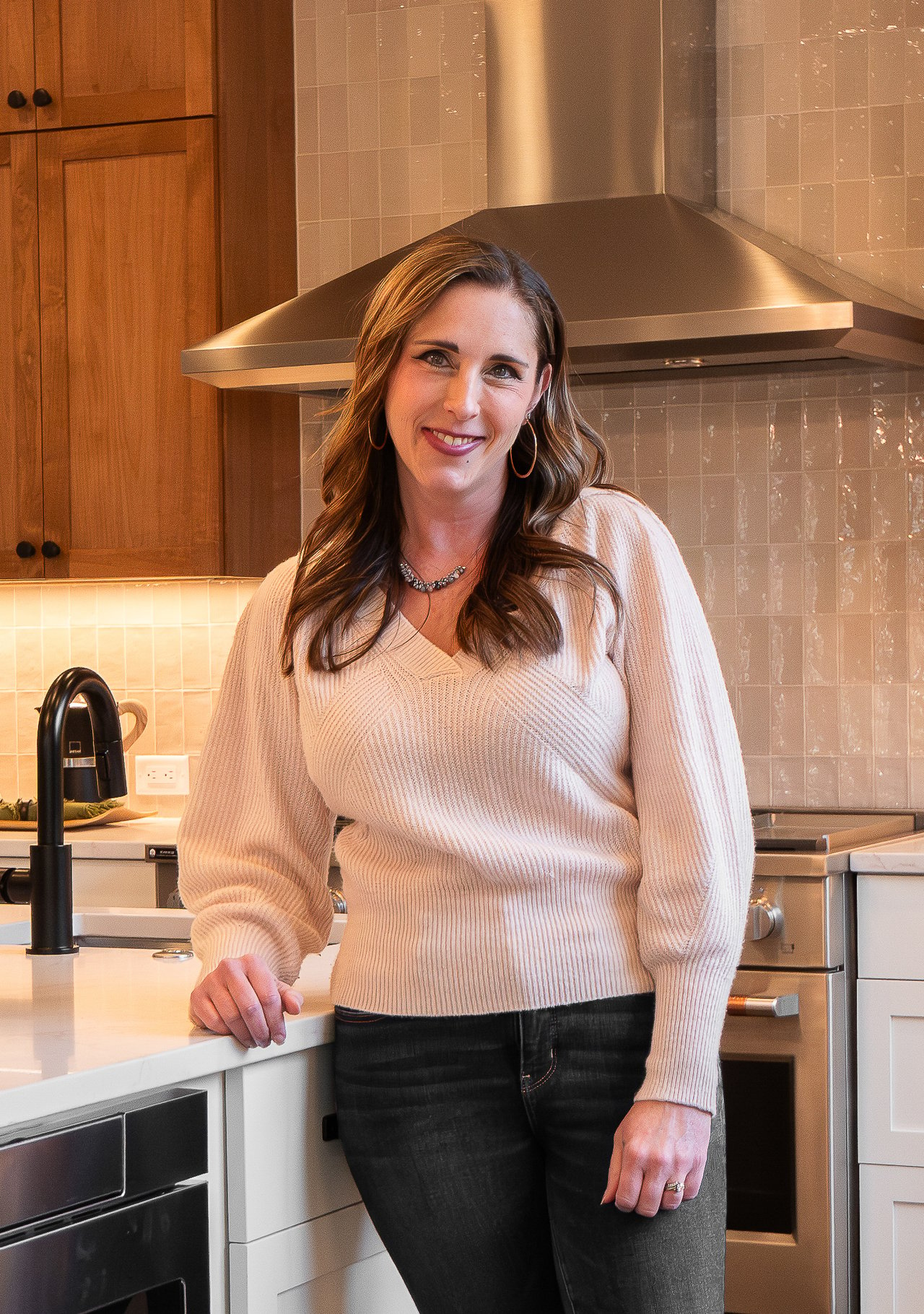
With a 20-year total of more than $100M in sales, her experience shines through. Whether she’s working with first-time home buyers or seasoned investors in a complex deal, Kristi walks through each stage of the home sale and makes sure you feel supported and understood.